Get this guide as a tappable itinerary
Day-by-day plan, audio tours, and one-tap Google Maps — completely free.


Best Time to Visit Oaxaca: A Month-by-Month Breakdown
Weather patterns, festival dates, crowd levels, and pricing — everything you need to pick the perfect window for your Oaxaca trip.
Oaxaca City sits at 1,550 meters in the Sierra Madre del Sur, which means it never gets truly cold and never gets coastal-humid. The climate is semi-arid with a pronounced wet and dry season. That elevation is your secret weapon — even when temperatures hit 33°C in April, the dry air and cool evenings make it far more comfortable than you would expect.
But weather is only half the story. Oaxaca's festival calendar is packed with major events year-round — Día de los Muertos, Guelaguetza, Noche de Rábanos, and dozens of smaller fiestas — and timing your trip around one of them adds a layer you can't get any other way. Below, we break down every month so you can find the window that fits your style, budget, and priorities.
Month by Month
Scroll through every month with real weather data, crowd levels, pricing, and festival highlights.
The Best Months For...
Budget Travelers
June, August, or September. These are the deepest rainy-season months and prices reflect it. Hostels that charge 400 MXN in November drop to 200–250 MXN. Mid-range hotels slash rates by 30–50%. Flights from Mexico City are at their cheapest. You will get wet in the afternoons, but the mornings are gorgeous and the food is exactly the same price year-round because locals eat at the same places regardless of season. If you can handle a daily siesta while it pours outside, this is your window.
Food Lovers
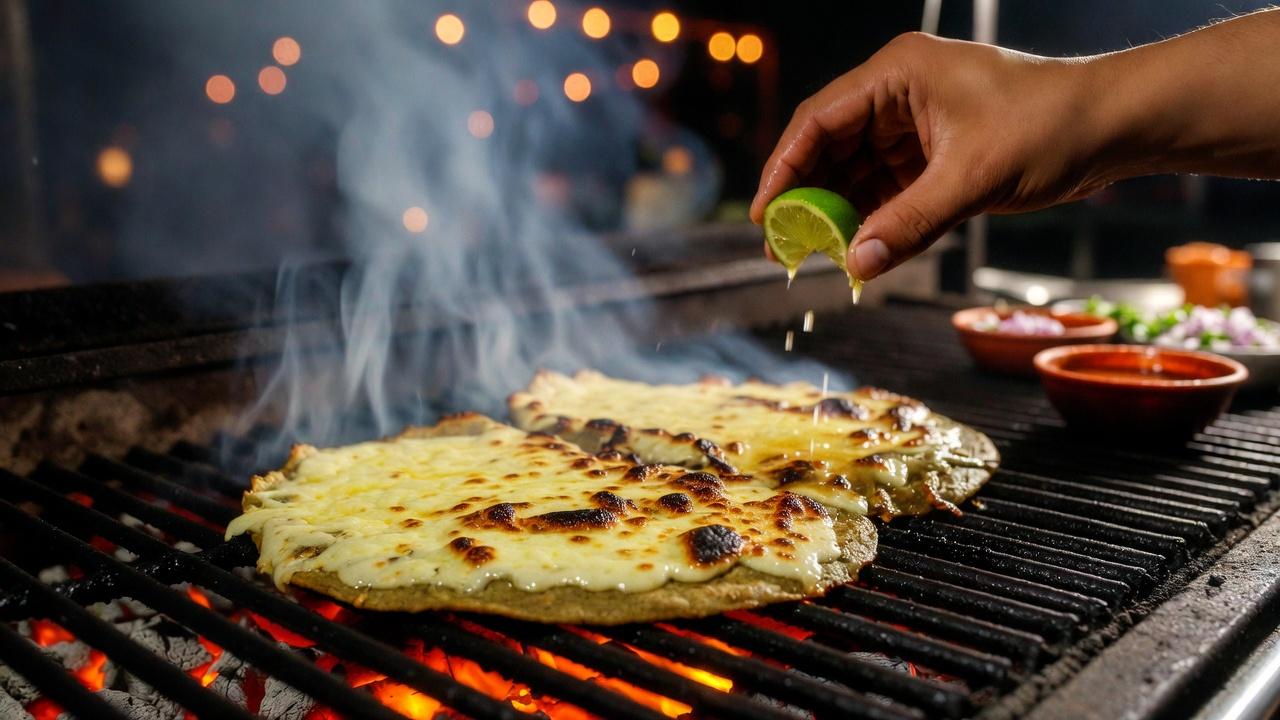
Any month works — but October through December is special. Oaxaca's food scene operates at full strength year-round. Mercado 20 de Noviembre's grills never take a day off, and the tlayuda ladies on Reforma Street are there rain or shine. That said, late fall brings seasonal ingredients that elevate everything: fresh-harvest chapulines (grasshoppers) are crunchiest in October, tamales de mole negro appear for Día de los Muertos, and the Christmas season brings buñuelos, ponche, and the legendary chocolate atole. If you time it right, you can eat through three major food-centric celebrations in two months.
Culture & Festivals
Late July or late October to early November. These are the two marquee windows. Guelaguetza (last two Mondays of July) is a whirlwind of indigenous dance, regional costume, and community pride — nothing else in Mexico compares. Día de los Muertos (October 31 through November 2) transforms the entire city into an altar: marigold-carpeted streets, comparsas (costumed parades), graveyard vigils in surrounding villages, and a communal energy that you simply cannot manufacture. Both events spike prices and fill hotels, but both are worth every peso.
Photography
October or November. The light in Oaxaca is extraordinary year-round thanks to the altitude and clear skies, but October and November deliver the best combination: the landscape is still green from the rains, the air is freshly washed and haze-free, golden hour is spectacular, and there are festivals everywhere providing colorful subjects. The Día de los Muertos altars, painted faces, and candlelit graveyards are a photographer's dream. For landscapes and architecture without people in the frame, January or February mornings offer empty streets and crystalline light.
Avoiding Crowds
January, February, May, or August–September. The post-holiday lull in January and February is wonderful — the weather is perfect, prices have normalized, and the Christmas crowds have flown home. May is the transition month between dry and wet season, and most travelers skip it entirely even though the weather is still mostly fine. August and September are the lowest-traffic months of the year, but you are firmly in rainy season. Avoid late July (Guelaguetza), late October to early November (Muertos), Semana Santa (Easter week), and mid-December through early January if crowds bother you.
Rainy Season Reality Check
Let's clear something up: Oaxaca's rainy season is not six months of nonstop rain. The pattern is remarkably predictable. Mornings are sunny and clear. Clouds build through the early afternoon. Between 3 and 6 PM, there is a downpour — often dramatic, sometimes with thunder — that lasts one to three hours. Then it stops, the air is fresh and cool, and the evening is beautiful.
This means your mornings are completely unaffected. You can visit Monte Albán, explore markets, take cooking classes, and wander the Centro Histórico without any rain. The practical adjustment is simple: schedule outdoor activities for the morning, and plan indoor things — museums, mezcalerias, long lunches, textile workshops — for the afternoon.
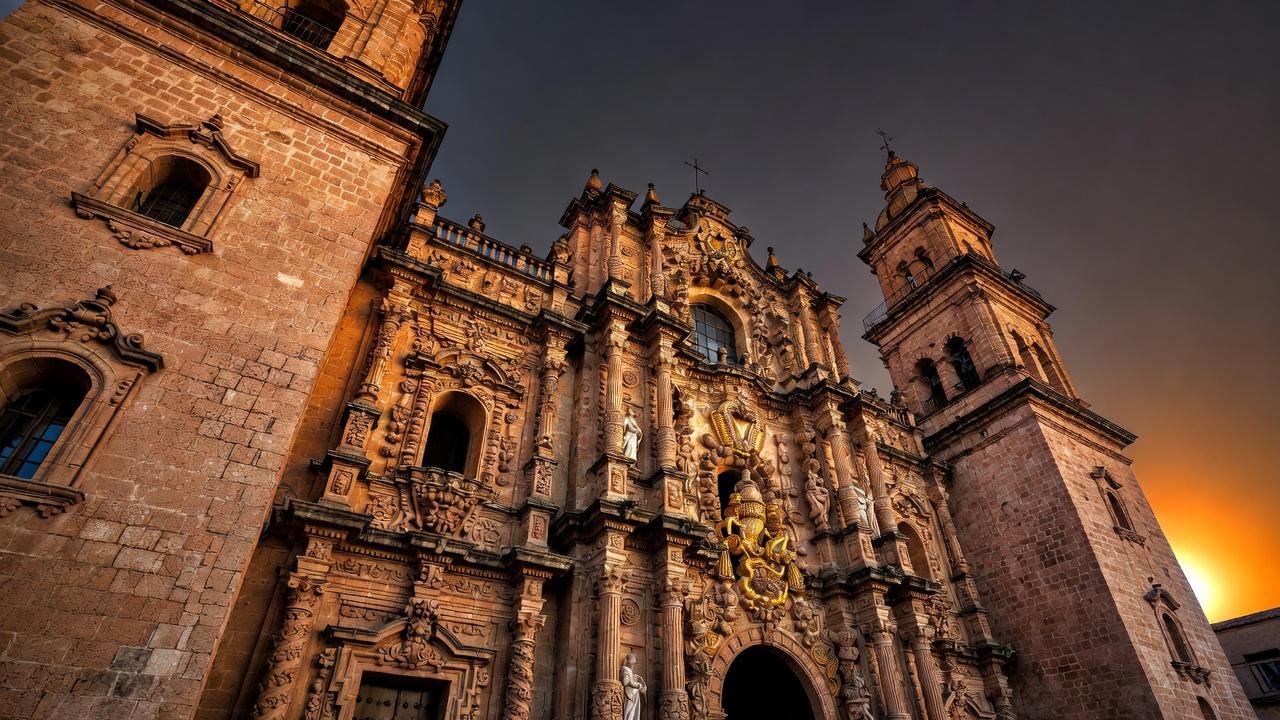
September is the wettest month and the only one where rain can occasionally start earlier in the day or last longer. Even then, full-day washouts are rare. The trade-off is that the valley is spectacularly green — the contrast with the burnt-orange colonial architecture is sharp enough to photograph itself, and the surrounding mountains look like they belong in a Miyazaki film.
The real consideration is not rain itself but what rain does to unpaved roads. If you plan to visit remote Zapotec villages like Benito Juárez or Cuajimoloyas in the Sierra Norte, some trails and dirt roads become slippery. Ask your guide or rental-car agency about current conditions. Major day-trip destinations like Monte Albán, Hierve el Agua, Mitla, and Tule are all accessible via paved roads year-round.
Festival Planning
Three festivals define the Oaxaca calendar. Each one is worth building an entire trip around. The Oaxaca tourism portal has updated dates and event listings.
Guelaguetza
Guelaguetza is the biggest indigenous dance festival in Mexico and one of the most important cultural events in all of Latin America. Held on the last two Mondays of July, it brings together delegations from Oaxaca's eight regions — each performing their traditional dances in full regalia at the open-air amphitheater on Cerro del Fortín, the hill overlooking the city.
The word "guelaguetza" means "reciprocal exchange of gifts" in Zapotec, and that is exactly what happens. After each delegation performs, they throw gifts to the audience — pineapples, bread, mole paste, mezcal, woven textiles. The atmosphere is electric and joyful. Surrounding the main event, the city hosts two weeks of calendas (street parades), concerts, exhibitions, and food fairs.
How to get tickets: There are two tiers. Free seating in Sections C and D of the amphitheater is first-come, first-served — arrive by 6 AM for an 8 AM show (yes, seriously). Paid seats in Sections A and B cost 200–500 MXN and are sold at the Oaxaca state tourism office (Murguía 206, Centro) starting about two weeks before the festival. Tickets sell out fast. A third option: watch the Lunes del Cerro performance from the grassy slopes below the amphitheater, which is free and has a relaxed picnic atmosphere.
Noche de Rábanos
This one is gloriously weird. Every December 23, artisans carve oversized radishes into elaborate sculptures — nativity scenes, Guelaguetza dancers, churches, animals, historical events — and display them in the zócalo for judging. The tradition dates back to 1897 when colonial vendors carved radishes to attract customers to their market stalls. It has evolved into a genuine art competition that draws thousands of spectators.
The exhibition is free and opens at 3 PM on December 23 in the main plaza. Lines can be over an hour long by 5 PM, so arrive early. The displays are accompanied by totomoxtle (corn husk) sculptures and flor inmortal (dried flower) arrangements. The entire zócalo has a carnival atmosphere with food stalls, live music, and fireworks. It kicks off the broader Christmas season in Oaxaca, which includes Calendas on Christmas Eve and New Year celebrations.
Season-by-Season Packing
- Light layers — mornings are cool, afternoons warm
- Sweater or light jacket for evenings
- Comfortable walking shoes (cobblestones everywhere)
- Sunscreen and hat — the UV at altitude is strong
- Sunglasses — the light is intense
- Everything from dry season, plus:
- Compact rain jacket (not an umbrella)
- Quick-dry clothing for humid afternoons
- Waterproof bag or dry bag for electronics
- Sandals that can get wet for walking post-rain