Get this guide as a tappable itinerary
Day-by-day plan, audio tours, and one-tap Google Maps — completely free.


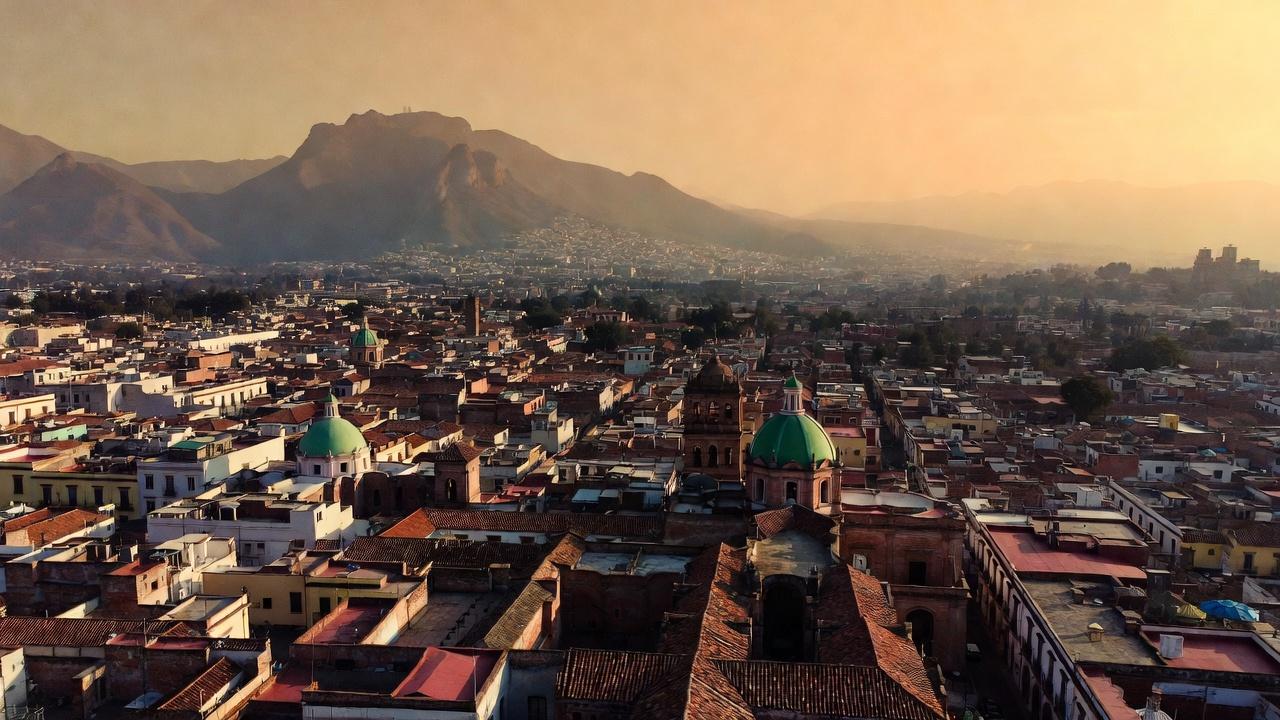
4 Days in Oaxaca City: A Local-Feeling Itinerary
An opinionated day-by-day plan that prioritizes the things most guides get wrong — the right markets at the right time, the mole you should actually order, and the ruins without the crowds.
This itinerary is for people who want to experience Oaxaca, not check boxes. You'll eat better than most travelers, spend less than you'd expect, and leave with a genuine understanding of why Oaxaca City is considered the cultural capital of Mexico.
It's not for people who want to cram every attraction into every day. The rhythm here is simple: mornings for exploration, afternoons for eating and wandering, evenings for mezcal and mole. Trust the pace.
You won't find Hierve el Agua on this itinerary. It's 1.5 hours each way on terrible roads, and it's underwhelming in person. If you have a 5th day, maybe. Otherwise, spend your time better.
Day One
Arrive, Settle, and Eat Your First Tlayuda
Arrival
Airport to Centro: Taxi from OAX airport costs 200–250 MXN (~$12–14 USD). Don't use the guys shouting outside — go to the official taxi counter inside the terminal. Fixed rate. The ride is 15–20 minutes.
Orient Yourself
Walk to the Zócalo (main square). This is your compass. Every direction from here has something worth seeing within 10 blocks.
Templo de Santo Domingo + Jardín Etnobotánico: The church is free — the interior is floor-to-ceiling gilded stucco from the 1600s, every surface carved and covered in gold leaf. It borders on excessive, which is the point. The ethnobotanical garden costs 30 MXN and requires a guided tour (tours run on schedule — check at the entrance). Worth it. The guides are excellent and the garden explains the connection between Oaxacan culture and its plants.
Andador Turístico(Macedonio Alcalá pedestrian street): Walk it end-to-end from Santo Domingo to the Zócalo. Just look. Don't buy anything yet — the prices here are tourist prices, 30–50% higher than the markets.
First Tlayuda & First Mezcal
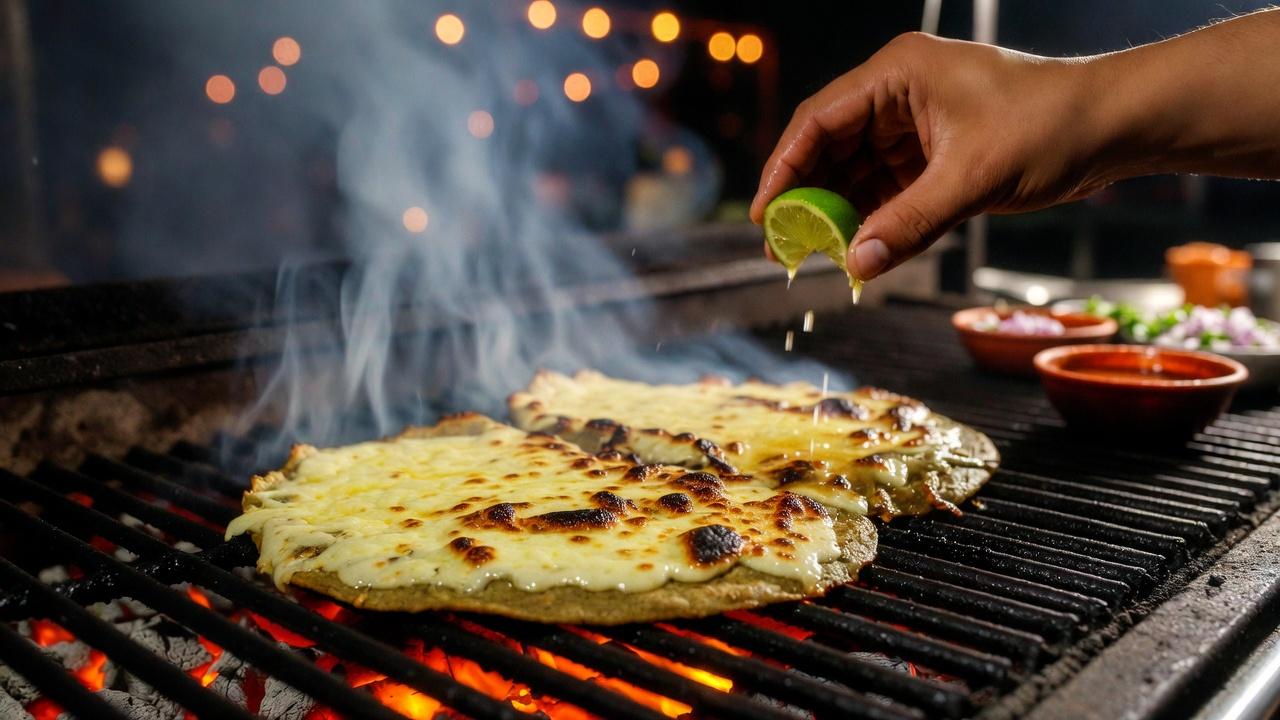
Tlayudas Libres (Calle Libres 212): Order a tlayuda de tasajo (dried beef) with quesillo and black beans. 80–100 MXN. It's wood-fired and enormous — share one, or be ambitious. This is the dish that defines Oaxacan street food.
In Situ Mezcalería (Morelos 511): Order an espadín joven (young agave) to start. 60 MXN per pour. Don't order cocktails at mezcal bars — it defeats the purpose. Sip it neat. The staff will guide you if you ask.
Day Two
The Day You Understand Why People Come Here for the Food
Mercado 20 de Noviembre
Go early. By 11 AM it's packed and the best seats at the smoke grill section are taken.
The famous parrillada (Pasillo de Humo): Head to the back corridor. Buy your meat from any vendor — 200g of tasajo: ~60 MXN, chorizo: ~50 MXN. Sit at any table in the communal grilling area. They'll grill it for you. Buy tortillas and salsa separately (20 MXN) from the women walking between tables.
Mayordomo hot chocolate: Across the street from the market. 30 MXNfor a cup of chocolate de agua (the traditional way — with water, not milk). Buy a bag of chocolate for home — it's half the price of the airport.
Museums & Jalatlaco
IAGO (Instituto de Artes Gráficas de Oaxaca): Free. One of the best free museums in Mexico, in a gorgeous colonial building. Rotating contemporary art exhibitions plus a graphic arts library with over 60,000 prints and books — one of the largest in Latin America.
Museo Textil de Oaxaca:Free. Small but exceptional. Shows you the backstrap loom technique you'll see in village markets. Understanding the craft makes buying textiles later much more meaningful (and helps you spot machine-made fakes).
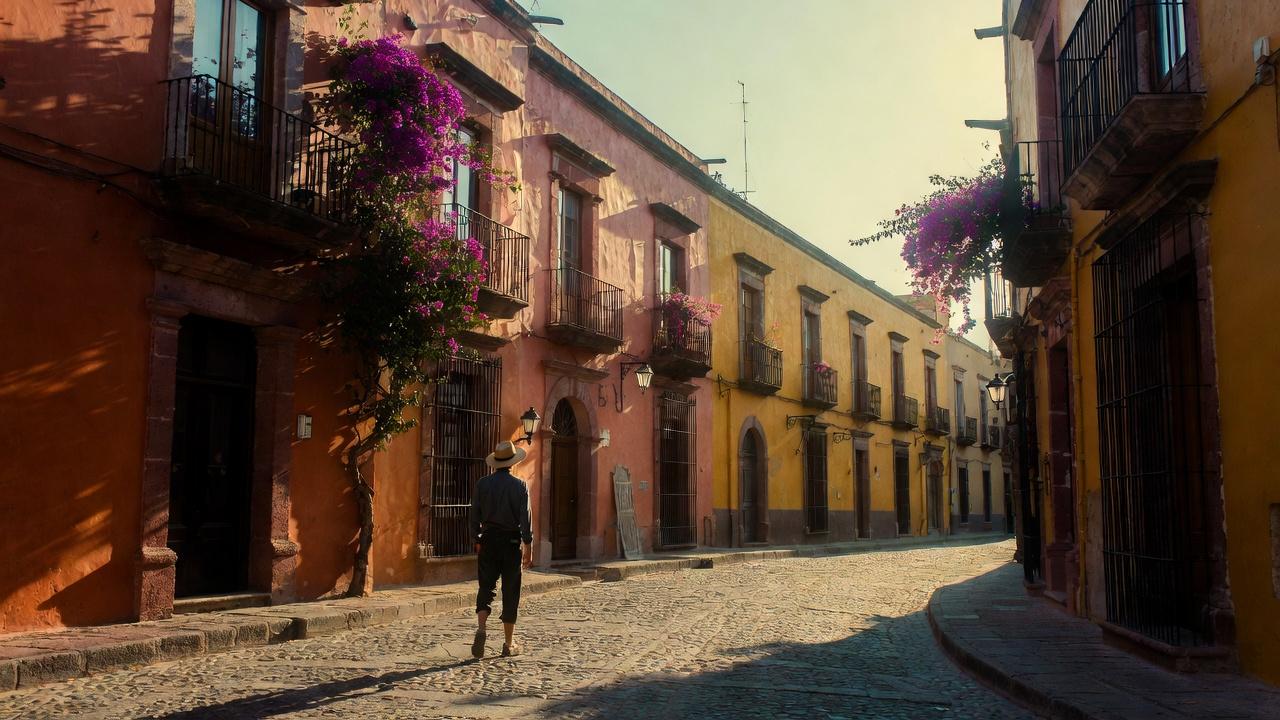
Walk through Jalatlaco: The colorful neighborhood with all the Instagram photos. Best between 3–5 PM when the light hits the painted walls. Get a coffee at Cafeología (Calle Reforma 401B) — single-origin Oaxacan beans, 45 MXN.
Your First Mole
Los Danzantes (Macedonio Alcalá 403): Order the mole negro — this is the dish Oaxaca is famous for. It takes 3 days to make and uses 30+ ingredients including chocolate. 220–280 MXNfor a plate. Yes, it's tourist-priced. But the mole negro here is consistently the one locals recommend to visitors, and for good reason.
Day Three
Zapotec Ruins, Black Pottery, and the Best View in the Valley
Monte Albán
Getting there: Book a colectivo from Hotel Rivera del Ángel (Calle Mina 518). 80 MXN round trip, leaves at 8:30 AM. You get 2.5 hours at the ruins, which is enough.
Entry: 90 MXN. Bring water, sunscreen, and a hat. There is zero shade on the main plaza. The views of the Oaxaca valley are the best thing about it — the ruins themselves are impressive for their scale but less visually dramatic than, say, Palenque.
San Bartolo Coyotepec (Barro Negro)
30 minutes by taxi or colectivo.This is where the famous black pottery (barro negro) is made. Doña Rosa's workshop is the most famous, but any of the family workshops on the main road give free demonstrations.
If it's Friday:Continue to Ocotlán market (15 min further). The Friday tianguis (open-air market) here is spectacular and far less touristy than anything in the city. Food stalls, textiles, pottery, and a mole selection that'll make you rethink lunch.
Evening in Centro
Splurge option: Casa Oaxaca El Restaurante for a contemporary Oaxacan tasting menu (~800 MXN). Chef's-choice menu changes daily. Reservations recommended.
Budget option: Any comedor in Centro for a comida corrida — soup, main, agua fresca, tortillas. 70–90 MXN. Comedor Oaxaqueño on Calle Porfirio Díaz is reliable.
After dinner: Walk the Zócalo. Street musicians, families, vendors selling chapulines (grasshoppers seasoned with chile and lime). Try them — they taste like smoky lime chips. 20 MXN for a small bag.
Day Four
A Proper Oaxacan Morning Before You Leave
Mercado Benito Juárez & Souvenirs
Mercado Benito Juárez— the "other" market, and actually better for souvenirs and crafts than 20 de Noviembre. It's right next door but has a completely different character.
What to buy to take home:
- Mole paste: 80–120 MXN/kg. Vacuum sealed, lasts months. Get negro and rojo.
- Mezcal: 150–400 MXN/bottle. Ask for artesanal or ancestral — skip industrial.
- Chocolate: Mayordomo or La Soledad brands. 40–60 MXN per bag.
- Embroidered blouses (huipiles): Prices vary wildly. A hand-embroidered piece starts at 500 MXN and can reach 3,000+ for museum-quality work.
Last Coffee & Goodbye Walk
Café Brújula — the best coffee in the city. Get a Pluma Hidalgo pour-over (50 MXN). Pluma Hidalgo is a Oaxacan coffee-growing region and the beans are exceptional. Multiple locations — the one on Alcalá has the best atmosphere.
Final walk through Centro. If you missed anything, this is your time. The light in Oaxaca between 10–11 AM is perfect for photos — warm and soft without the midday harshness.
Need more time? Less time?
Pick the duration that fits your trip.
Before you go
Money
ATMs at Banamex and BBVA are reliable. Avoid Cashzone ATMs (high fees). Tip 10–15% at restaurants. Markets are cash only. 1 USD ≈ 18 MXN.
Safety
Oaxaca City has a much lower crime rate than most Mexican tourist destinations. Normal precautions — don't flash expensive gear, stick to lit streets at night. Centro and Jalatlaco are very safe on foot. Read our full safety guide →
Spanish Phrases
¿Cuánto cuesta? (How much?) • Una tlayuda por favor • La cuenta (the check) • ¿Tiene mezcal espadín? • Gracias, muy amable (Thanks, very kind) • ¿Dónde está...? (Where is...?)