Get this guide as a tappable itinerary
Day-by-day plan, audio tours, and one-tap Google Maps — completely free.


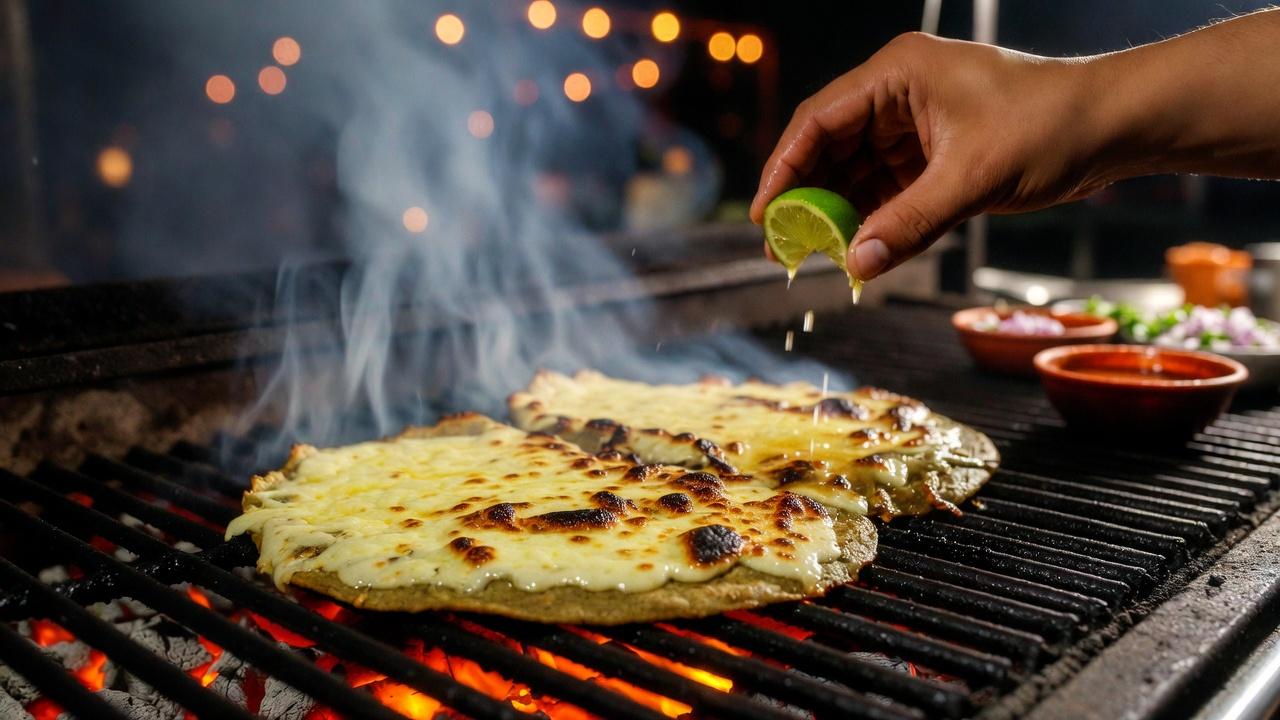
Oaxaca Street Food: 12 Things to Eat and Where to Find Them
A specific, priced list of exactly what to order and where. No generic 'try the local food' advice.
The best food in Oaxaca doesn't live inside restaurants. It lives on the street — on folding tables under tarps, in plastic bags handed through car windows, on griddles that have been seasoned by decades of daily use. Oaxacan cuisine is part of the UNESCO Intangible Cultural Heritage designation for traditional Mexican food, and nowhere is that tradition more alive than here. The markets get all the attention, but the real food culture unfolds on sidewalks after dark, at corners where locals queue without being told.
This guide covers 12 dishes you should eat in Oaxaca City, organized by category. Every entry includes what it is, where to find it, what it costs, and — where it helps — how to pronounce it without embarrassing yourself.
The Essentials
The Adventurous
Chapulines
chah-poo-LEE-nessToasted grasshoppers seasoned with chile, lime, and garlic. Crunchy, salty, slightly citric. They taste more like a spiced chip than anything insect-like. Oaxaca's most iconic snack, eaten by the handful or stuffed into a taco with guacamole.
Zócalo vendors in the evenings, or the women with baskets at Mercado Benito Juárez. Buy a small bag first.
The small ones are better — crunchier and less ‘leggy.’ If you're squeamish, mix them into guacamole. You won't even notice.
Esquites
ess-KEE-tessCorn kernels cut from the cob and served in a cup with mayo, crumbled cheese, chile powder, lime juice, and sometimes epázote. Creamy, tangy, spicy, sweet. The evening version of comfort food.
Cart parked outside Templo de la Compañía most evenings. Also appears at corners around the Zócalo after 6 PM.
Ask for ‘con todo’ (with everything). If you want heat, point at the dark red chile powder, not the orange one — the orange one is decorative, the red one means business.
Tejate
teh-HAH-tehA pre-Hispanic drink made from toasted corn, fermented cacao, mamey seed, and flor de cacao. Served at room temperature with a thick foam on top. It's earthy, nutty, mildly sweet, and unlike anything you've tasted before. Consumed in Oaxaca for over 2,000 years.
Market women at both Mercado Benito Juárez and Mercado 20 de Noviembre. Look for the large clay pots with pale, foamy liquid inside.
It looks like watered-down cement. Drink it anyway. The foam on top is the best part — don't scrape it off.
Sweets & Drinks
Nieves
Handmade sorbets in flavors you've never seen on a menu — leche quemada (burnt milk), tuna (prickly pear), mezcal, beso de ángel (angel's kiss). Churned by hand in metal canisters packed with ice. No preservatives, no stabilizers, no filler.
Stands on Calle Mina between the two markets. Multiple vendors — they're all good. The one with the longest line is usually the one doing leche quemada that day.
Get two scoops: leche quemada and tuna. That combination is Oaxaca in a cup.
Chocolate de Agua
Hot chocolate made with water instead of milk, the traditional Oaxacan way. Beaten with a molinillo (wooden whisk) until foamy. Lighter, less sweet, and more intensely chocolatey than the milk version. Usually flavored with cinnamon and sometimes ground almonds.
Mayordomo on Calle Mina (the original location). Also available at any market chocolate stand, but Mayordomo is the benchmark.
Order ‘de agua, medio’ for the traditional half-portion. It's plenty. The ‘de leche’ version exists but locals drink it with water.
Agua de Chilacayota
A sweet, cold drink made from chilacayota squash cooked with piloncillo (raw cane sugar), cinnamon, and lime. The texture has small strands of squash flesh floating in it. Refreshing, mildly sweet, and completely unlike any agua fresca you've had.
Market stalls at Mercado Benito Juárez and Mercado 20 de Noviembre. Seasonal — most common from June through November, but sometimes available year-round.
It's seasonal. If you see it, buy it. You may not see it again during your trip.