Get this guide as a tappable itinerary
Day-by-day plan, audio tours, and one-tap Google Maps — completely free.



One Week in Oaxaca: The Full Immersion
Seven days to go from tourist to honorary Oaxaqueño. The city, the valley, the cloud forests, the artisan villages, and a cooking class where you learn to make mole from scratch.
A week in Oaxaca is the full experience. Not the highlights reel — the director's cut. You'll eat at the markets enough times to have a favorite stall. You'll navigate colectivos without checking your phone. You'll understand the difference between espadín and tobalá, between mole negro and mole rojo. You'll hike in cloud forests and watch families weave the same patterns their Zapotec ancestors did centuries ago.
Days 1–5 follow our 5-day itinerary (city + Valles Centrales loop). Days 6 and 7 go where most visitors never reach: Sierra Norte cloud forests and the artisan villages where Oaxaca's craft traditions are still alive.
Less time? The 5-day version is our recommended minimum for a complete experience.
Arrive, Settle & First Tastes
Airport to Centro, Zócalo, Santo Domingo, Andador Alcalá, first tlayuda, first mezcal at In Situ.
Markets, Museums & Mole
Mercado 20 de Noviembre breakfast, IAGO, Textile Museum, Jalatlaco, mole negro dinner.
Monte Albán & Black Pottery
Morning ruins (80 MXN colectivo, 90 MXN entry), afternoon at San Bartolo Coyotepec.
Souvenirs & Slow Wandering
Mercado Benito Juárez shopping, Café Brújula, exploring corners you missed.
Valles Centrales Loop
El Tule → Mitla ruins → Hierve el Agua waterfalls → Santiago Matatlán mezcal.
Day Six
Cloud Forests and Mountain Villages
Getting to Sierra Norte
Pueblos Mancomunadosis a network of indigenous Zapotec villages in the Sierra Norte mountains, 60 km north of Oaxaca. They run Mexico's most successful community ecotourism project — owned and operated by the villages themselves.
Two best options:
- Cuajimoloyas (3,200m elevation): Easier access, cloud forest hiking, mountain biking. 80 MXN by colectivo, 1.5 hours.
- Benito Juárez (3,000m): More infrastructure, zip-lines, clear sightlines down to the Oaxaca valley floor. 100 MXN by colectivo, 2 hours.
Hiking the Cloud Forest
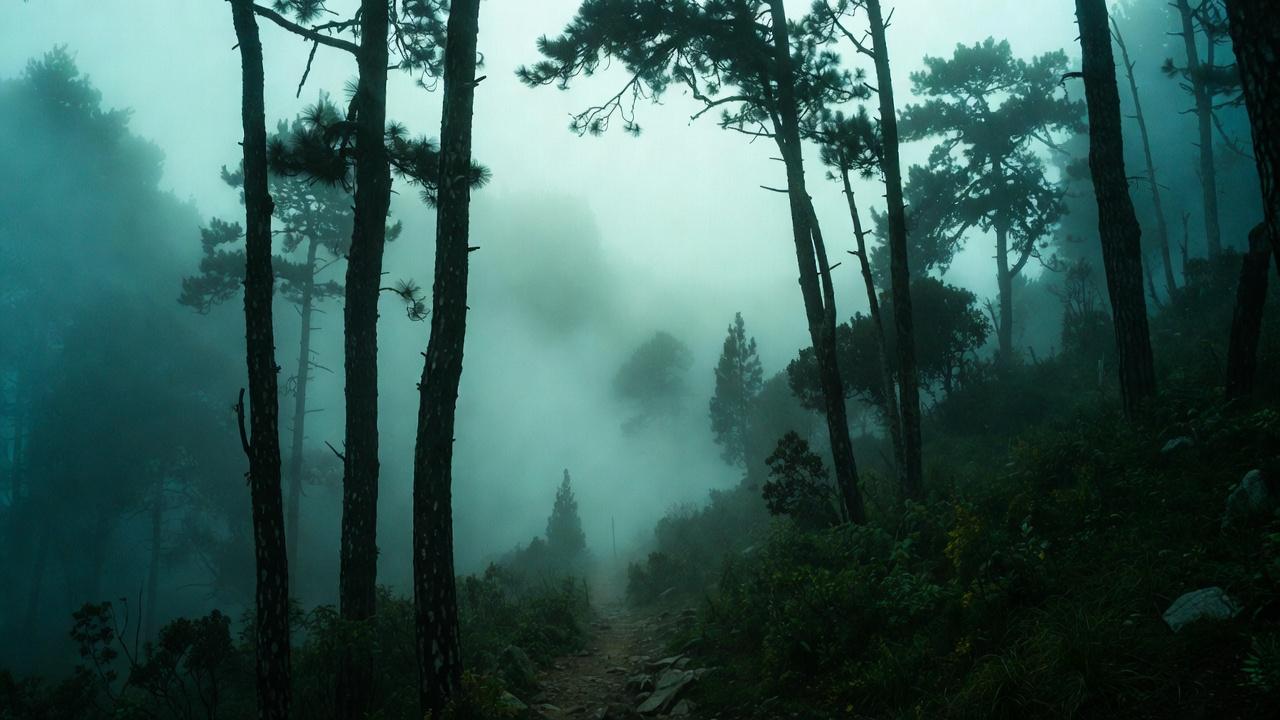
The trails between villages pass through cloud forest— misty, moss-draped oak and pine forests at 3,000+ meters. It's a completely different world from the warm, dry valley below.
Best hike: Cuajimoloyas to La Nevería (or vice versa). ~3 hours, moderate difficulty. The trail winds through dense forest with occasional clearings that reveal the Oaxaca valley 2,000 meters below.
What you'll see:Bromeliads, orchids, oak moss, and if you're lucky — coatimundis and hundreds of bird species. The silence is profound.
Village Lunch & Return
Eat at the community comedor in whichever village you end at. Simple, hearty food: black bean soup, handmade tortillas, grilled meat, herbal tea. 60–80 MXNper meal. The best food won't win any awards — it's just honest mountain cooking.
If you booked through Expediciones Sierra Norte, return transport is included. Otherwise, colectivos return to Oaxaca in the afternoon (check schedules — last departure is usually 3–4 PM).
Day Seven
Weaving, Alebrijes, and Learning to Make Mole
Teotitlán del Valle — Where Textiles Are Alive
30 minutes from Oaxaca by taxi or colectivo (30–40 MXN). This Zapotec village has been weaving textiles for over 2,000 years. Not as a tourist attraction — as a way of life. Most families still have a loom in their home.
Visit a family workshop (free, no appointment needed — walk the main street and look for signs). Watch the entire process: carding wool, spinning thread, dyeing with natural pigments (cochineal for red, indigo for blue, pomegranate for yellow), and weaving on a pedal loom.
Buying rugs: Small tapetes start at 300–500 MXN. Medium rugs: 1,000–3,000 MXN. These are 40–60% cheaper than Oaxaca City galleries. The quality is identical — you're buying from the people who made them.
San Martín Tilcajete — Alebrijes
15 minutes past Teotitlán.This is where the famous Oaxacan alebrijes come from — hand-carved wooden animals painted in psychedelic colors. The tradition started here in the 1950s and has become Oaxaca's most recognizable craft export.
Visit a taller (workshop). The Jacobo and María Ángeles workshop is the most famous, but there are dozens of excellent smaller talleres on the main road. Watch the carving, sanding, and painting process — some pieces take weeks to complete.
Prices: Small alebrijes from 100–300 MXN. Medium pieces: 500–1,500 MXN. Gallery-quality work from master carvers: 3,000–15,000 MXN.
Cooking Class — Learn to Make Mole
The perfect way to end a week in Oaxaca: learning to make the food you've been eating. Most cooking classes start with a market tour (identifying chiles, selecting ingredients, understanding cacao varieties) and end with you cooking and eating a full Oaxacan meal.
Best cooking classes:
- Casa de los Sabores: 1,200 MXN. Small groups, market tour, 4 dishes including mole. Best value.
- Seasons of My Heart (Susana Trilling): 1,500 MXN. Ranch setting outside the city. More immersive, full-day experience.
- La Casa de los Aromas: 800 MXN. Budget option in Centro. Smaller menu but solid instruction.
Final Night
Your last night. By now you have favorites — go back to them. The taco stand you discovered. The mezcalería where the bartender knows your name. The Zócalo bench where the light is best.
Or try somewhere new: Expendio Tradiciónfor a final mezcal flight with Oaxacan botanas (snacks). Or walk Jalatlaco one more time in the evening light — it's different at night, quieter and more intimate.
Airport tip: Book your morning taxi at the hotel desk (150–200 MXN). Allow 30 minutes for the ride. Check in any mezcal in your bag.
Need more time? Less time?
Pick the duration that fits your trip.
Week-long practicalities
Long-Stay Practicalities
Laundry: lavandería on nearly every block, 50-80 MXN/load. SIM card: Telcel is best, 200 MXN for 5GB at any OXXO. Pharmacies: Farmacias Similares has everything. Drinking water: buy garrafones (20L jugs) for 25 MXN.
Sierra Norte Prep
Bring layers — it's 10-15°C colder than the city at 3,200m. Hiking boots or sturdy shoes. Rain jacket (cloud forest = occasional rain). The altitude is noticeable — take it slow on the hike if you're not acclimatized.
Money for a Week
Budget ~$45-65 USD/day. Total week: $315-455 USD excluding accommodation and flights. Big expenses: cooking class (800-1,500 MXN), Valle loop (350-750 MXN), Sierra Norte (400-600 MXN). Markets and street food keep daily food costs low.