Get this guide as a tappable itinerary
Day-by-day plan, audio tours, and one-tap Google Maps — completely free.
Oaxaca Safety Guide: What Tourists Actually Need to Know
An honest, no-hype assessment of safety, scams, health risks, and practical info for Oaxaca City — written by someone who has actually spent months there.
The Short Version
Oaxaca City is one of Mexico's safest tourist destinations. Full stop. The centro is compact, walkable, and well-policed. Violent crime against tourists is exceedingly rare — the things most likely to ruin your trip are a bad stomach, sunburn, or paying double for a taxi because you didn't agree on the price first.
That said, context matters. Oaxaca is a real city with 300,000+ people, not a theme park. Petty theft exists. Overcharging happens. Some neighborhoods are better avoided at night. This guide covers all of it with the kind of honesty you won't find in a tourism board pamphlet.
The biggest risk most tourists face in Oaxaca is actually health-related: altitude adjustment, sun exposure, and the classic traveler's stomach. We cover all of that below, along with neighborhood-by-neighborhood safety ratings, common scams, emergency contacts, and the practical stuff — SIM cards, tipping, ATMs — that nobody tells you before you arrive.
Neighborhood Safety at Night
All of these ratings are for nighttime walking. During the day, every tourist-relevant neighborhood in Oaxaca is perfectly safe. The differences only emerge after dark.
Centro Histórico
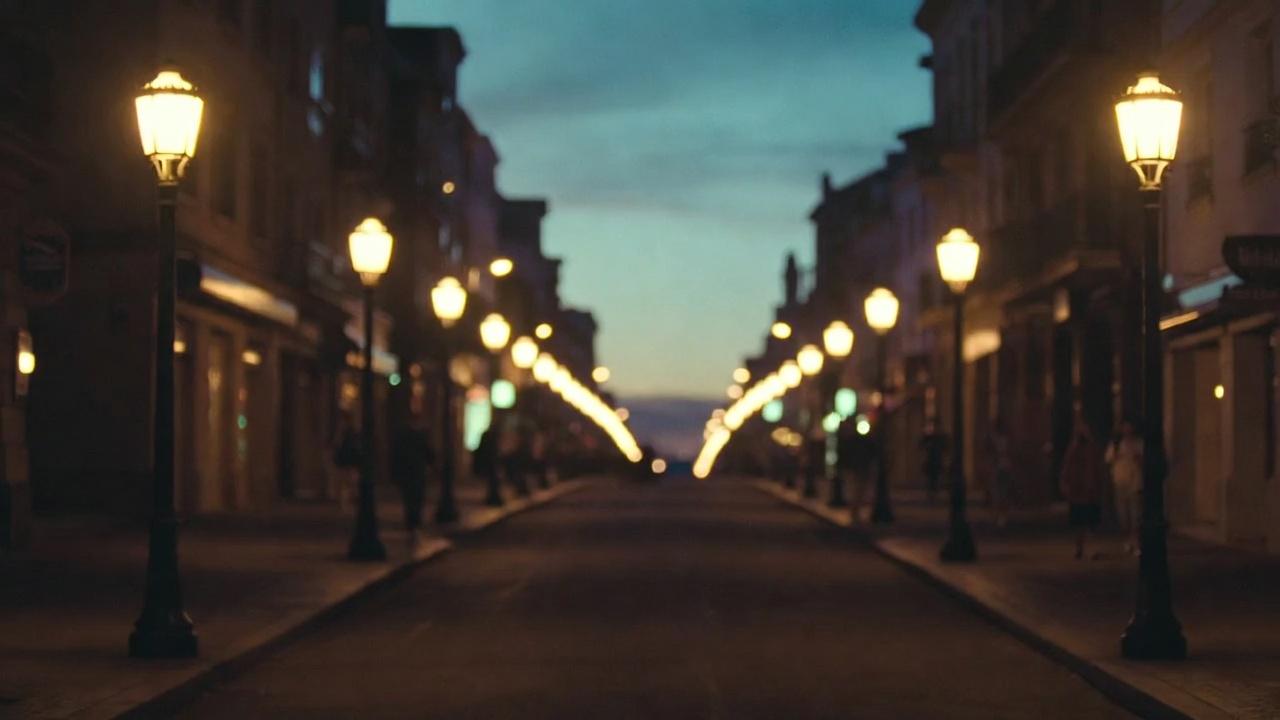
The safest area for tourists, day and night. Well-lit colonial streets, constant police presence, and busy with pedestrians until midnight or later.
- •The Zócalo and surrounding blocks are active until 1–2 AM on weekends
- •Pedestrian street Alcalá is well-lit and patrolled its entire length
- •Tourist police (identifiable by their white shirts) patrol the main plazas
- •Walking home from restaurants and bars at midnight is completely normal
- •Only sketchy spot: the blocks immediately around Mercado de Abastos after dark
Jalatlaco
Quiet, residential barrio beloved by artists and expats. Feels like a small village within the city. Safe to walk at any hour.
- •Calm cobblestone streets with colorful houses — very few cars after dark
- •Popular with digital nomads and long-term visitors, so there’s always foot traffic
- •Several late-night restaurants and mezcalerías keep the area active
- •Well-connected to Centro via Calle Reforma — a 10–15 minute walk
- •One of the best neighborhoods in all of Mexico to walk at night
Reforma
A residential neighborhood north of Centro. Fine during the day and mostly fine at night, but with less street lighting on side streets.
- •Main avenues (Reforma, Independencia) are well-lit and busy until 10–11 PM
- •Residential side streets can be dark and empty after 9 PM
- •Several popular restaurants and cafes along the main roads
- •Stick to main streets at night and you’ll have zero issues
- •Grab a taxi or DiDi if heading to dark residential blocks after 10 PM
Xochimilco
Historic neighborhood east of Centro with a bohemian character. Lively during the day, but some blocks go quiet after dark.
- •The main strip around the Xochimilco church is active and safe at night
- •Some side streets lack adequate lighting after 9–10 PM
- •Home to several good restaurants that are worth visiting
- •A 5–10 minute walk from Centro — the main connecting roads are fine
- •Take a taxi back if you’re deep in the neighborhood late at night
North of Periférico
Working-class residential areas with no tourist infrastructure. There is no reason for visitors to go here, and it's best avoided after dark.
- •No attractions, restaurants, or hotels that tourists would visit
- •Poorly lit streets with minimal pedestrian traffic at night
- •Not inherently dangerous, but you’d stand out and have nothing to gain
- •If a taxi or DiDi takes you through here, it’s fine — just don’t walk
- •Locals live here comfortably, but it’s not set up for visitors
Common Scams & Annoyances
Oaxaca is not a scam-heavy city. You won't encounter the aggressive hustling you'd see in Cancun or Playa del Carmen. But a few predictable annoyances catch first-time visitors off guard. None of these are dangerous — they're just costly if you don't know about them.
Taxi Overcharging
Oaxaca taxis don't use meters. Drivers quote a price, and tourists routinely pay 2–3x the local rate. A ride from the airport to Centro should cost 200–250 MXN, but some drivers ask for 400+. Within the city, most rides should be 40–60 MXN.
How to avoid: Always agree on the price before getting in. Better yet, use DiDi — it shows the price upfront, and drivers can't change it. For airport transfers, buy a prepaid taxi ticket inside the terminal (the booth is right after baggage claim).
Fake Mezcal
Street vendors and some tourist shops sell “artisanal mezcal” that is actually cheap cane spirit with flavoring. It might not be dangerous, but you're paying 200+ MXN for a bottle worth 30 MXN.
How to avoid: Buy mezcal from established mezcalerías or shops with proper labeling (NOM number on the bottle, producer name, agave type). In Situ, Mezcaloteca, and Los Amantes are all trustworthy. Never buy mezcal from someone on the street.
Fake Artisan Goods
Machine-made textiles from China or Puebla sold as “handmade Oaxacan” crafts. This is especially common with alebrijes (carved wooden animals), embroidered blouses, and woven rugs. The fakes look similar but fall apart quickly.
How to avoid: Buy directly from artisan cooperatives or named workshops. Real hand-embroidered blouses take 2–3 months to make and cost 1,500–5,000 MXN. If someone offers one for 200 MXN, it's machine-made. ARIPO and the Textile Museum gift shop are reliable sources.
Overpriced Restaurants on Alcalá
The pedestrian street Macedonio Alcalá is beautiful, but restaurants lining it charge 50–100% more than equivalent places one or two blocks away. The food is often worse, too, because they survive on foot traffic rather than reputation.
How to avoid: Walk one block in any direction off Alcalá and prices drop dramatically. The best food in Oaxaca is at markets (Mercado 20 de Noviembre), fondas (family-run lunch spots), and side-street restaurants the locals actually eat at.
“Tourist Price” at Markets
At Benito Juárez and Mercado de Abastos, some vendors quote higher prices when they hear English or see a tourist face. This isn't a scam exactly — it's negotiation culture — but you'll pay 20–40% more if you don't push back.
How to avoid: Learn a few phrases in Spanish. “¿Cuánto cuesta?” (how much?) and “¿Me puede dar un mejor precio?” (can you give a better price?) go a long way. Negotiate politely but firmly. Walk away if the price feels too high — there are usually five other stalls selling the same thing.
Health Tips
Altitude (1,550m / 5,085ft)
Oaxaca sits at 1,550 meters above sea level. This isn't high enough to cause serious altitude sickness, but it's enough to notice. You may feel slightly more winded climbing stairs, get headaches, or tire more easily for the first 48 hours. Drink significantly more water than you normally would — at least 3 liters per day for your first two days. Alcohol hits harder at altitude, so ease into the mezcal tastings.
Water Safety
Do not drink tap water. This applies everywhere in Mexico, not just Oaxaca. Use bottled water or purified water from your hotel's garrafón (large water jug). Ice at restaurants and bars is made from purified water and is safe — you don't need to ask for drinks “sin hielo.” Street vendors making aguas frescas and juices use purified water too. Brush your teeth with bottled water for the first few days if you have a sensitive stomach.
Stomach Issues
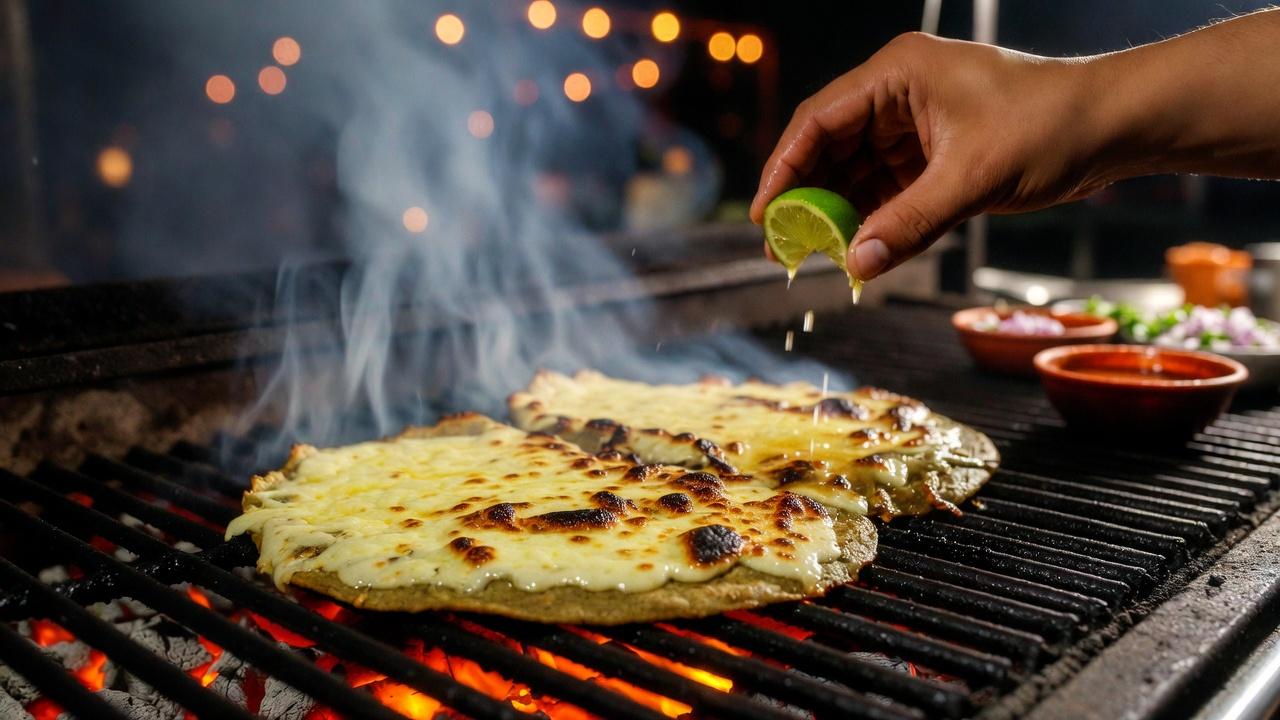
The infamous “Montezuma's Revenge” hits about 30–40% of first-time visitors to Mexico within the first 1–3 days. It's usually caused by unfamiliar bacteria in food, not contamination — your gut just needs time to adjust. Bring Imodium (loperamide) and Pepto-Bismol from home. Start with cooked foods and avoid raw salads on your first day. Street food in Oaxaca is generally safe — high turnover means fresh ingredients — but let your stomach settle before going all-in on chapulines (grasshoppers) and tlayudas from street carts.
Pharmacies
Farmacia del Ahorro and Farmacias Similares are everywhere in Oaxaca — you'll never be more than a few blocks from one. Many medications that require prescriptions in the U.S. or Europe are available over the counter in Mexico, including antibiotics, anti-inflammatories, and anti-nausea medication. Pharmacists are knowledgeable and will recommend treatments for common traveler ailments. A course of antibiotics costs 50–150 MXN ($3–$9 USD). Most Farmacias Similares also have an on-site doctor (consulta médica) who can see you for 40–60 MXN and write prescriptions on the spot — no appointment needed. This is significantly cheaper and faster than a hospital visit for non-emergency issues like stomach bugs or infections.
Sun Exposure
The UV index in Oaxaca is brutal. At 1,550m altitude and 17° latitude, UV radiation is 20–30% stronger than at sea level. You will burn faster than you expect, even on cloudy days. Wear SPF 50+ sunscreen, reapply every 2 hours, and wear a hat if you're visiting Monte Albán or Hierve el Agua where there's zero shade. Bring sunscreen from home — it's 2–3x more expensive in Mexico.
Phone, Internet & SIM Cards
Staying connected in Oaxaca is easy and cheap. Here's everything you need to know about phones and internet access.
SIM Cards
Buy a Telcel prepaid SIM at any OXXO convenience store for 100–200 MXN ($6–$12 USD). This gets you 5–10GB of data depending on the plan, plus unlimited calls within Mexico. Telcel has the best coverage in Oaxaca and surrounding areas. AT&T Mexico is a decent alternative. Bring your own unlocked phone — the SIM swap takes 5 minutes. You'll need your passport for registration (Mexican law requires it since 2022).
WiFi
Nearly every café, restaurant, and hotel in the tourist areas offers free WiFi. Speed varies — expect 10–30 Mbps at most cafés, which is fine for browsing and messaging but not great for video calls. For reliable work-from-café internet, try Cafebreía El Andador on Alcalá or Boulenc in Jalatlaco.
Offline Maps
Download the Oaxaca City area in Google Maps before you arrive. Mobile data can be spotty in some neighborhoods and drops out entirely on day trips to Monte Albán, Hierve el Agua, and the Valles Centrales. Offline maps with saved pins for restaurants and landmarks will save you multiple times.
Emergency Info
Save these numbers in your phone before you arrive. Hopefully you'll never need them, but being prepared costs nothing.
911
Mexico's national emergency numberworks for police, fire, and ambulance. Operators may speak limited English — speak slowly or use basic Spanish.
951 502 0189
Oaxaca's dedicated tourist police. More likely to have English speakers. Available 24/7.
Hospital Reforma
Calle Reforma 613, Centro. Private hospital with 24-hour emergency room. Several doctors speak English. Expect to pay upfront (1,000–3,000 MXN for a standard consultation) and submit to insurance later.
951 514 3054
Alcalá 407, Interior 20. Limited hours (Mon–Fri 10am–1pm). For lost passports, arrests, or serious emergencies involving U.S. citizens.
ATMs & Banking
Use ATMs from major Mexican banks: Banamex (Citibanamex) and BBVAhave the most locations and lowest foreign withdrawal fees (typically 36–50 MXN per transaction, about $2–$3 USD). Banorte and HSBC are also reliable.
Avoid Cashzone, Euronet, and unbranded standalone ATMs.These charge 3–5% surcharges on top of the standard fee, and exchange rates are significantly worse. A 5,000 MXN withdrawal from Cashzone can cost you an extra 150–250 MXN compared to a bank ATM.
Withdraw larger amounts less frequently to minimize per-transaction fees. Most bank ATMs have a daily limit of 8,000–10,000 MXN. Always choose to be charged in MXN (not your home currency) when the ATM asks — this avoids dynamic currency conversion markups of 3–7%.
Tipping & Etiquette
Tipping culture in Oaxaca is straightforward but different from what you might be used to. Here's the honest breakdown so you don't over-tip (wasting money) or under-tip (being rude).
10–15%at sit-down restaurants. 10% is acceptable, 15% is generous. Check the bill first — some upscale restaurants add a “servicio” (service charge) automatically, especially for groups of 6+. At fondas and comedores (casual lunch spots), tipping is appreciated but not expected — leaving 10–20 MXN for good service is a kind gesture.
10% or round up.If your mezcal flight costs 180 MXN, leaving 200 MXN is perfect. At mezcalerías where the bartender explains the spirits in detail, 15% shows appreciation. For a simple beer at a casual bar, rounding up to the nearest 10 pesos is enough.
No tip expected.You already negotiated the fare before getting in. If the driver was exceptionally helpful (waited for you, helped with luggage, gave good recommendations), rounding up 10–20 MXN is a nice touch but truly optional. DiDi rides don't include tipping.
20–50 MXN/dayfor housekeeping, left on the pillow or nightstand each morning. Bellhops: 20–30 MXN per bag. Concierge who books tours or restaurants: 50–100 MXN. At boutique hotels and B&Bs, tipping the owner is not expected.
Never tip.This is a transaction, not a service. Negotiate politely but firmly. Vendors expect it and respect buyers who engage in the process. Start at about 70% of the asking price and meet in the middle. Always be friendly — aggressive haggling is rude and counterproductive.
50–100 MXN per personfor half-day tours, 100–200 MXN for full-day tours. For private guides, 10–15% of the tour cost is standard. Cooking class instructors: 100–200 MXN per person is generous and appreciated.
General Etiquette Notes
Oaxaca is conservative compared to Mexico City or beach towns. A few cultural notes that will make your visit smoother:
- •Greet people.A “buenos días” or “buenas tardes” when entering a shop, restaurant, or taxi goes a long way. Oaxacans are warm but value basic courtesy.
- •Ask before photographing people.Especially at markets and indigenous communities. A simple “¿Puedo tomar una foto?” is respectful. Some artisans will say no, and that should be accepted graciously.
- •Dress modestly at churches. Cover shoulders and knees when visiting Santo Domingo and other churches. This is enforced loosely but shows respect.
- •Learn basic Spanish.Even 20 phrases will transform your experience. Oaxacans deeply appreciate any effort to speak their language, and you'll get better prices, better service, and warmer interactions.