Get this guide as a tappable itinerary
Day-by-day plan, audio tours, and one-tap Google Maps — completely free.


Where to Stay in Oaxaca City: Neighborhoods Compared
Four neighborhoods broken down by price, walkability, and vibe — so you can pick the one that fits.
The good news: Oaxaca is small
Oaxaca City's historic core is compact — roughly 1.5 km across. You can walk from one end to the other in 20 minutes. This means that even the "far" neighborhoods on this list are still within walking distance of the Zócalo, the markets, and the main attractions.
The real question isn't "can I walk there?" — it's "do I want to walk back at 11 PM after three mezcals?" That's what separates these neighborhoods. Each one has a distinct personality, noise level, and price bracket. None of them are bad. Some are better for you. All four are safe for walking at night — it's a matter of preference, not security.
Four areas, honestly compared
Jalatlaco
The colorful one — quieter, artistic, 5 minutes from everything
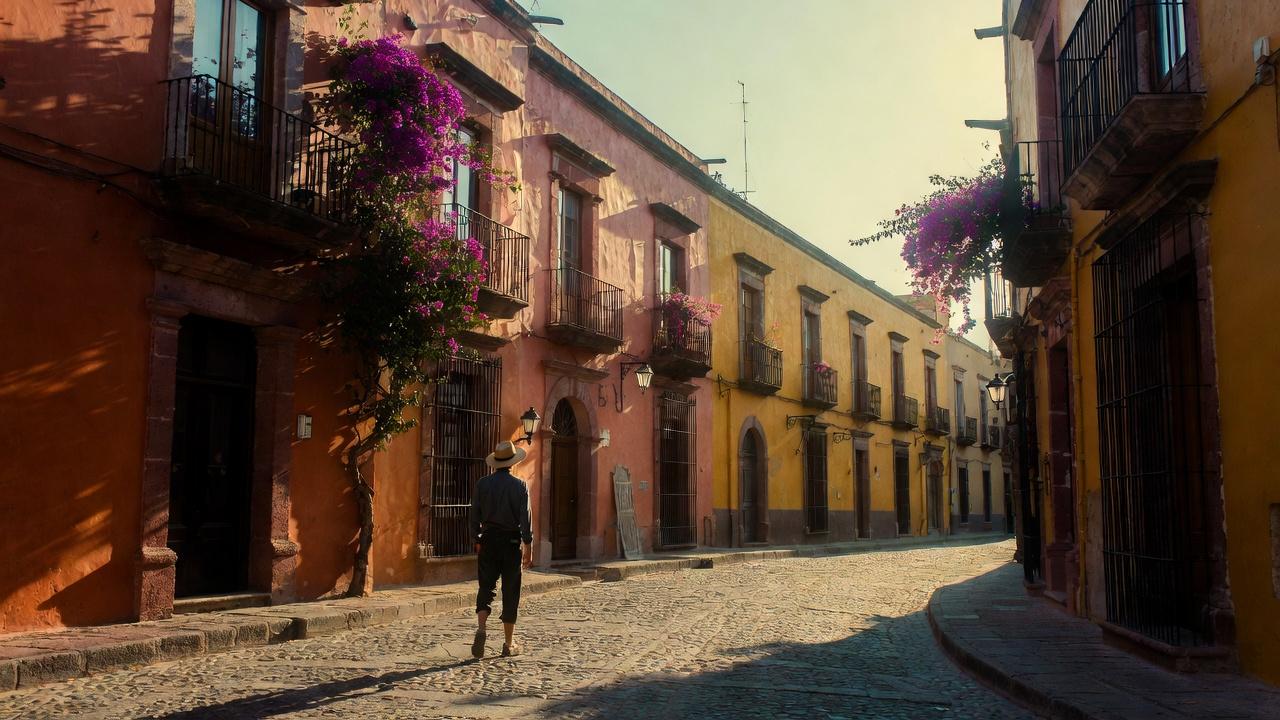
Painted walls, flower-filled doorways, and the most Instagram-famous streets in Oaxaca. Jalatlaco has become a destination in itself, but it's still quieter than Centro after 9 PM.
Great coffee shops and breakfast spots. The walk to the Zócalo is 10–15 minutes, which is just enough distance to feel like you have your own neighborhood. Couples love it here.
You’re a couple, a creative type, or an early-morning walker who wants charm without chaos.
Reforma
The residential one — real Oaxacan life, less convenience
This is where locals actually live. Fewer tourist restaurants, more fondas serving 60-peso comida corrida. Your neighbors are families, not backpackers. The prices reflect that.
The downside: it's a 20-minute walk to the Zócalo, and most things you came to Oaxaca for are in Centro or Jalatlaco. You'll spend time commuting. Worth it for long stays, not ideal for a weekend trip.
You’re staying 2+ weeks, on a tight budget, or want to practice your Spanish daily.
Xochimilco
The emerging one — artisan workshops, fewer crowds
Northwest of Centro, across the Río Atoyac. Xochimilco is Oaxaca's artisan neighborhood — textile workshops, pottery studios, and a local market that tourists rarely visit.
The walk to the Zócalo is 10–15 minutes, similar to Jalatlaco but in the opposite direction. It's less polished, fewer coffee shops, but more authentic. If you've been to Oaxaca before and want a fresh perspective, this is it.
You’ve been to Oaxaca before and want a less polished, more local experience.
Quick comparison
Centro Histórico
300–2,500 MXN
0–5 min
Lively, central
First-timers
Jalatlaco
250–1,800 MXN
10–15 min
Colorful, quiet
Couples
Reforma
200–1,200 MXN
20 min
Residential, local
Long stays
Xochimilco
250–1,400 MXN
10–15 min
Artisan, emerging
Return visitors
So where should you actually stay?
First time, 3–5 days: Centro Histórico. Don't overthink it. You'll walk everywhere, eat at every market, and fall asleep to the sound of the city. Ask for an interior room if noise bothers you.
Want quiet evenings: Jalatlaco. Close enough to walk to everything during the day, peaceful enough to sleep with the windows open at night. The best coffee shops in the city are here.
Been to Oaxaca before: Xochimilco. You've done Centro and Jalatlaco. Xochimilco gives you a reason to explore a different part of the city, with artisan workshops and a local market you probably missed last time.
How to book smart
Best platforms:Airbnb for apartments and private rooms. Booking.com for hotels (better cancellation policies). Hostelworld for hostels. Many smaller boutique hotels in Oaxaca aren't on any platform — search Google Maps directly for "hotel boutique Oaxaca" and message them on WhatsApp.
When to book: Día de Muertos (late October–early November) and Guelaguetza (late July) book out months in advance. For those periods, book 3–4 months ahead. Rest of the year, 2–3 weeks is fine.
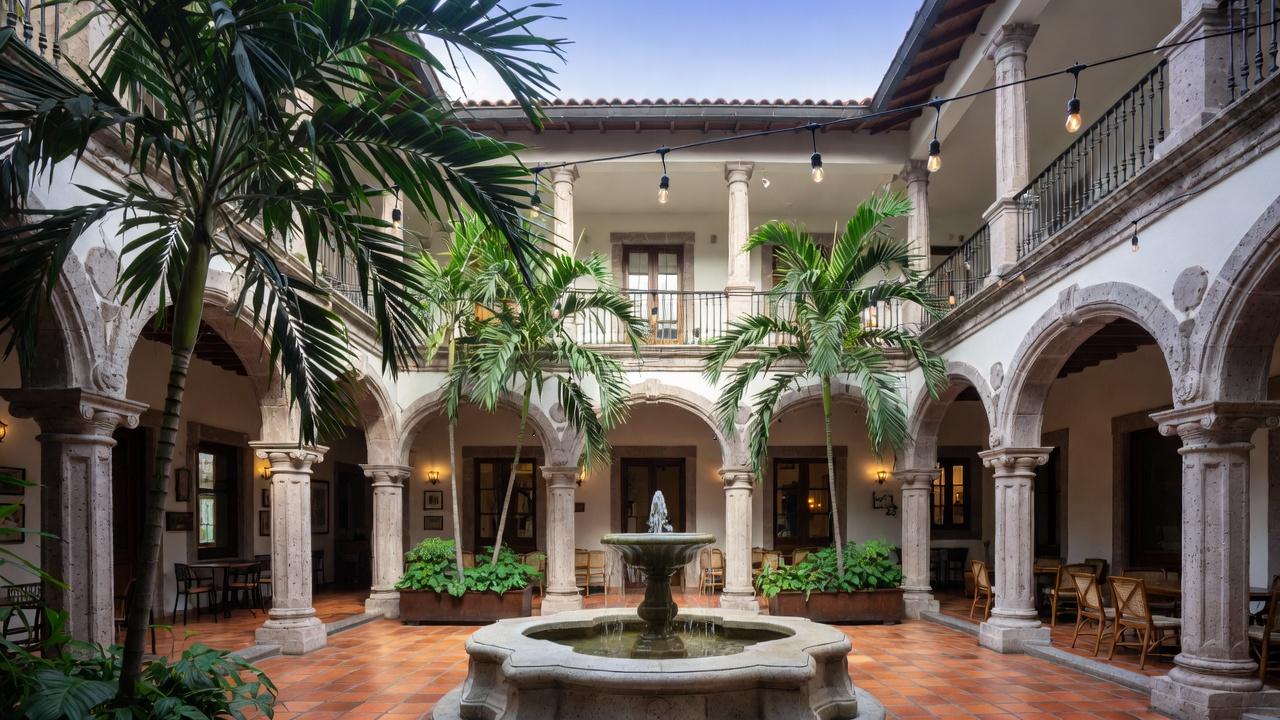
What to ask about: Rooftop access, hot water reliability (some older buildings are inconsistent), kitchen availability, and which direction your room faces. Street-facing rooms in Centro are louder on weekends. Interior rooms and courtyard-facing rooms are always quieter.